
 These deposits therefore have no relationship with the rock mass in which are housed the caves, but rather, are likely to have an external source.
The infiltration of rain or the direct input into the cavities of clouds and humid air currents that condense inside could be the most direct means of transport of these elements, which are then fixed to the ground in the fossil galleries from bacterial activity.
These deposits therefore have no relationship with the rock mass in which are housed the caves, but rather, are likely to have an external source.
The infiltration of rain or the direct input into the cavities of clouds and humid air currents that condense inside could be the most direct means of transport of these elements, which are then fixed to the ground in the fossil galleries from bacterial activity.
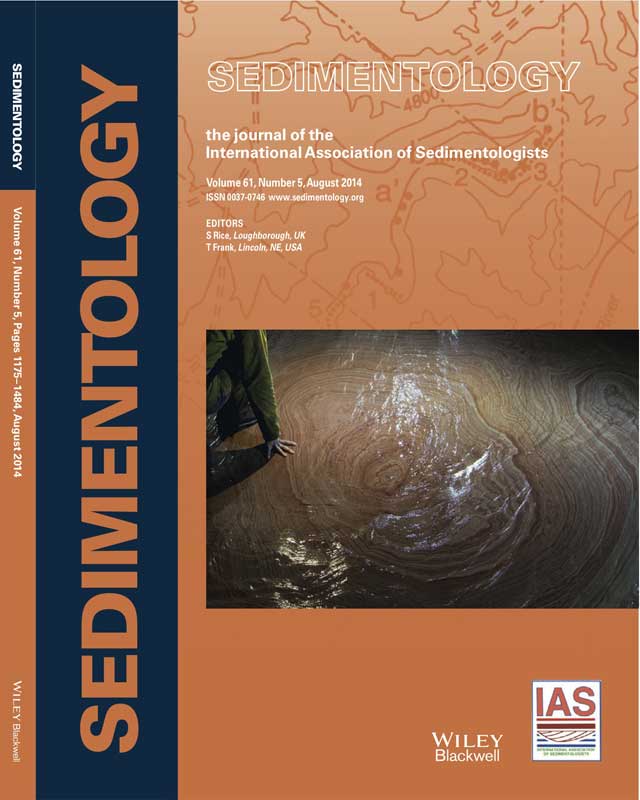 The thickness and size of the deposits, which in Imawarì Yeuta can easily exceed the meter, indicate that this process has been active for a very long time, probably tens of millions of years.
Future studies will investigate if these mineral deposits could be studied as witnesses of past climate.
The thickness and size of the deposits, which in Imawarì Yeuta can easily exceed the meter, indicate that this process has been active for a very long time, probably tens of millions of years.
Future studies will investigate if these mineral deposits could be studied as witnesses of past climate.
Read the abstract of the article here
Article on sulphates of the caves of Tepui on Sedimentology
- Details
- Hits: 18479